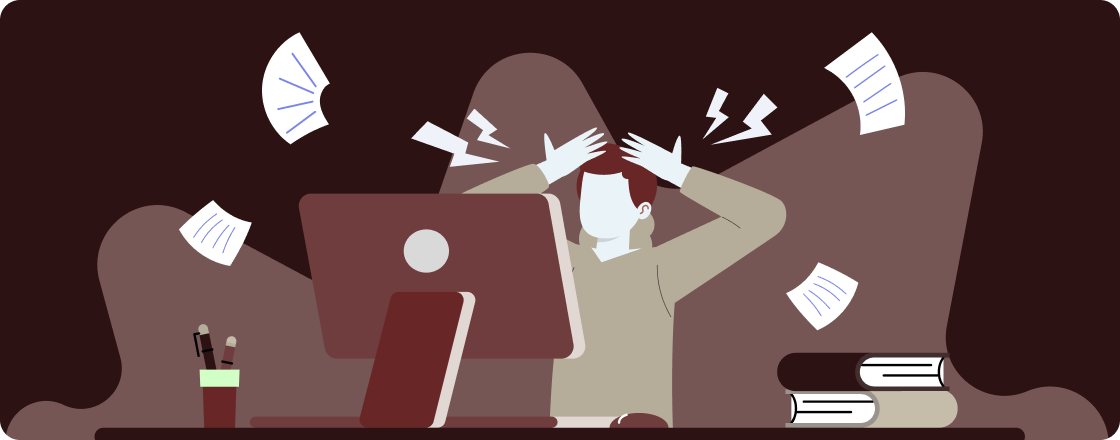
Teen behavior can be unpredictable. One moment, your child might be obsessively organizing their desk—then the next, impulsively shouting in class or sneaking out at night. While this might seem like “typical teen stuff,” it could actually be a sign of something deeper: co-occurring obsessive-compulsive and impulse-control issues.
Understanding the Spectrum: OCD and Impulsivity
Obsessive-Compulsive Disorder (OCD) involves recurring thoughts (obsessions) and repetitive behaviors (compulsions) aimed at reducing anxiety. Impulse-control disorders, on the other hand, involve difficulty resisting sudden urges, often leading to risky or inappropriate behavior.
Though they appear opposite—one is about control, the other about acting without thinking—research shows these disorders often share similar brain pathways. The same systems responsible for regulating attention, decision-making, and emotional response are involved in both. According to the Journal of Anxiety Disorders, adolescents with OCD are more likely to show signs of impulsivity, including risk-taking and irritability.
What It Looks Like in Teens
In teens, this mix can look like emotional whiplash. A student might obsessively study for a test, then suddenly give up and cheat. Another might constantly worry about germs—but lash out impulsively when routines are disrupted. Parents and teachers may see only one side of the equation, missing the full picture.
Key signs to watch for:
How to Support Your Teen
Start by tracking patterns over time. Journaling behaviors (without judgment) can help you and your teen recognize triggers. If compulsions and impulsive behaviors seem to cycle, it’s time to seek professional help.
Evidence-based therapies like CBT and ERP (Exposure and Response Prevention) are effective for OCD, while DBT can help with impulse control and emotional regulation. A mental health professional can assess for co-occurring disorders and create a treatment plan that addresses both.
Let Them Know They’re Not Alone
Teens dealing with OCD and impulse issues often feel “broken” or ashamed. Reassure your child that these behaviors are symptoms—not flaws. With the right support, they can learn to manage both ends of the spectrum and find a healthier sense of control.




![[background image] landscape of school campus](https://cdn.prod.website-files.com/image-generation-assets/653ff018-8e96-4931-8582-34829221363c.avif)